
Secure Logistics and Chain of Custody
Maintain visibility, accountability and assurance as technology moves through the supply chain.


The biggest risk in your supply chain might not be the technology. It might be the information around it. Sensitive information moves through every stage of procurement, fulfilment and delivery, making information security a critical part of supply chain assurance.
In Defence, government and regulated environments, product information, configuration details, procurement records and customer requirements can carry operational, commercial or security significance. Touchpoint helps organisations reduce unnecessary exposure by supporting controlled information handling across sourcing, supply, documentation and delivery workflows.
By applying disciplined handling practices and working through accountable supplier pathways, Touchpoint helps customers maintain greater confidence that sensitive information is protected before technology enters operational environments.
Core Capabilities
How Touchpoint Strengthens Logistics Assurance
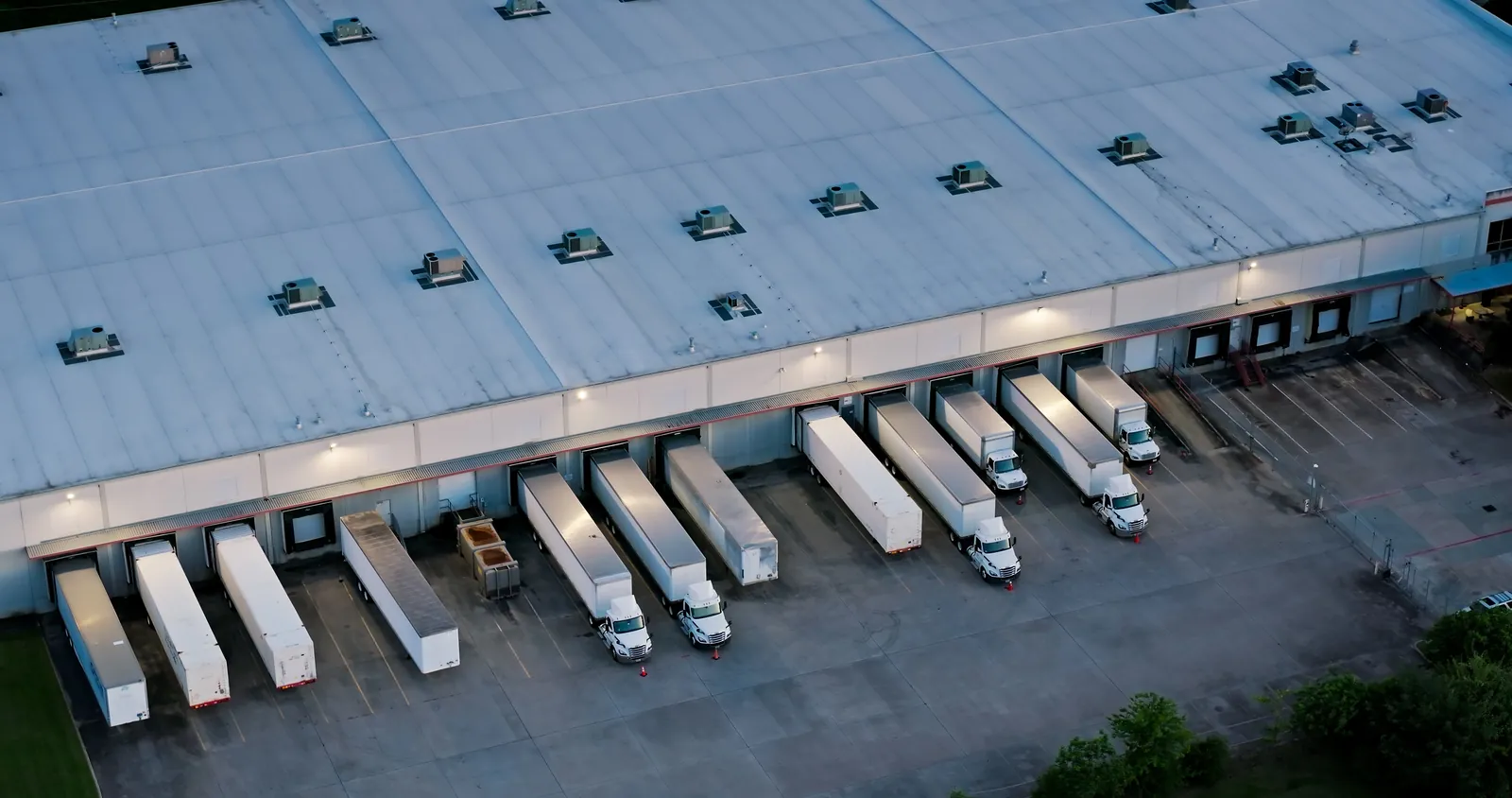
Chain of Custody Management
Maintain accountability for technology as it passes through sourcing, warehousing, logistics and delivery activities.
Capabilities include:
- Chain of custody oversight throughout fulfilment workflows
- Accountability between suppliers, logistics partners and recipients
- Custody transfer visibility and documentation
- Controlled handling procedures
- Delivery assurance records and supporting evidence
Maintain confidence in who handled technology, when it was handled and where custody was transferred.
Secure Logistics Coordination
Coordinate technology movement through trusted delivery pathways designed to support high-consequence environments.
Capabilities include:
- Secure logistics planning and coordination
- Controlled transport pathways
- Trusted logistics partner engagement
- Delivery management aligned with customer requirements
- Reduced exposure during transport and handling
Technology moves through accountable logistics processes that support greater delivery assurance.
Recipient Verification and Delivery Control
Strengthen confidence that technology is delivered to authorised recipients and intended destinations.
Capabilities include:
- Recipient validation processes
- Controlled delivery authorisation
- Delivery destination verification
- Authorised handover procedures
- Reduced risk of misdirected deliveries
Assets reach approved recipients through controlled and accountable delivery processes.
Obfuscated Delivery and Site Protection
Support operational security by limiting unnecessary disclosure of delivery locations, recipient information and sensitive site details.
Capabilities include:
- Obfuscated recipient information
- Protection of sensitive delivery locations
- Controlled disclosure of operational information
- Separation of logistics and customer data
- Last-mile information management
Sensitive operational information remains protected while enabling effective logistics execution.
Delivery Integrity and Condition Assurance
Support confidence that technology arrives in the expected condition following transport and handling activities.
Capabilities include:
- Delivery condition verification
- Shipment integrity assurance practices
- Handling accountability throughout transit
- Receipt validation processes
- Support for fulfilment assurance activities
Organisations gain greater confidence that technology has been handled appropriately throughout the delivery lifecycle.
Logistics Traceability and Audit Support
Improve visibility into logistics activities through documented records and delivery traceability.
Capabilities include:
- Logistics event traceability
- Delivery documentation management
- Custody record maintenance
- Audit support and evidence retention
- Improved delivery accountability
Logistics activities can be validated and supported through documented chain of custody and delivery records.
Value Propositions
Confidence across the supply chain

Maintain Custody
Control how sensitive procurement, product and customer information is handled across the supply chain.

Strengthen Visibility
Improve awareness of asset movement throughout fulfilment and delivery workflows.

Protect Delivery Integrity
Reduce uncertainty surrounding the condition, handling and movement of technology assets.

Deliver with Confidence
Support greater assurance that technology arrives as expected and reaches authorised recipients.
Approach
Why it matters
Every handover matters. As technology moves through suppliers, warehouses, logistics providers and delivery teams, visibility can quickly become uncertainty.
For high-consequence environments, assurance is not just about what was purchased. It is about how it was handled, where it travelled and who had custody along the way.
We help strengthen logistics assurance with secure handling practices that improve visibility, accountability and delivery confidence.
During Fulfilment
Maintain visibility as assets move through sourcing, staging and preparation activities.
During Transit
Strengthen accountability throughout transportation and logistics operations.
During Handover
Validate custody transfers between suppliers, logistics providers and authorised recipients.
At Final Delivery
Improve confidence that technology arrives at the right destination in the expected condition.
Accreditations
Our Credentials
Touchpoint’s credentials reflect a business built on quality, security and trusted delivery. Industry registrations and independent ratings reinforce our commitment to operating at the highest level across critical environments.


Partnered with industry leaders to deliver excellence









Featured
Newsroom


Ready to Strengthen Logistics Assurance?
Services
Explore Related Services



Learn More
Frequently Asked Questions
What is chain of custody in an ICT supply chain?
Chain of custody refers to the documented accountability for technology as it moves through sourcing, fulfilment, logistics and delivery activities. It helps organisations understand who has possession of assets, when custody changed and how technology reached its destination.
What is secure logistics?
Secure logistics refers to the processes used to manage, transport and deliver technology through controlled and accountable pathways. It focuses on strengthening confidence in how assets are handled throughout the fulfilment lifecycle.
What is recipient verification?
Recipient verification is the process of confirming that technology is delivered only to authorised individuals or approved destinations. It strengthens confidence that assets reach their intended recipients.
What is delivery integrity?
Delivery integrity refers to maintaining confidence that technology has not been lost, substituted, mishandled or compromised during transport and fulfilment activities.
What is the difference between chain of custody and provenance?
Provenance focuses on where technology originated and how it entered the supply chain. Chain of custody focuses on how technology was handled, transferred and delivered after it entered the supply chain.
Why is chain of custody important?
Chain of custody is important because it improves accountability and visibility throughout the supply chain. It helps reduce uncertainty surrounding asset handling, logistics activities and delivery assurance.
How does secure logistics reduce supply chain risk?
Secure logistics reduces supply chain risk by improving visibility, controlling custody transfers, protecting sensitive delivery information and supporting accountable delivery processes.
Why are chain of custody records important?
Chain of custody records provide an auditable history of how assets moved through the supply chain. They support accountability, transparency and delivery assurance activities.
How does secure logistics support Defence and government organisations?
Defence and government organisations often require greater visibility and accountability throughout the delivery process. Secure logistics practices help strengthen assurance surrounding the movement of mission-critical technology and sensitive assets.
How does secure logistics fit within a secure ICT supply chain?
Secure logistics and chain of custody form a critical part of secure ICT supply chain assurance. They help organisations maintain visibility, accountability and delivery confidence after technology has been sourced and before it enters operational environments.