
Sustainment Services
Keep critical ICT environments operational with structured sustainment across field engineering, spares, repairs, and lifecycle support.
Sustaining the systems you depend on. Touchpoint designs and delivers sustainment services that keep critical ICT environments operational, supportable, and aligned to real-world demands over time. We bring together field engineering, spare parts, repair pathways, and support coordination into a single, structured approach. This ensures that when faults occur, the pathway to resolution is clear, parts are available, and the right level of engineering support can be applied without delay.
Services
Our Sustainment Services

Onsite Hardware Support and System Engineering
Restore capability quickly through field engineering, technical diagnosis, and structured fault rectification.
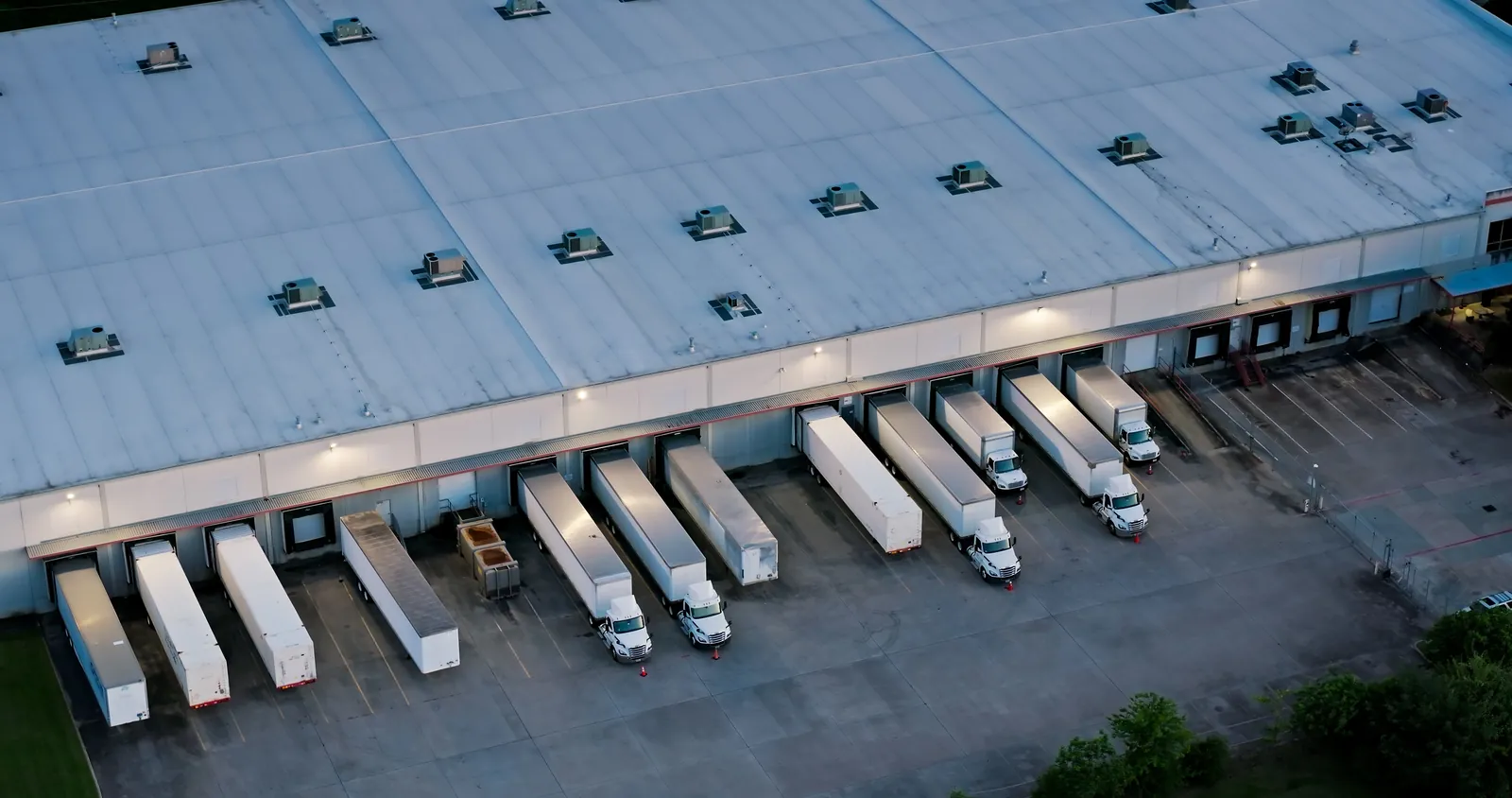
Spare Parts Warehousing and Secure Logistics
Ensure critical components are available, positioned, and securely delivered when they are needed most.
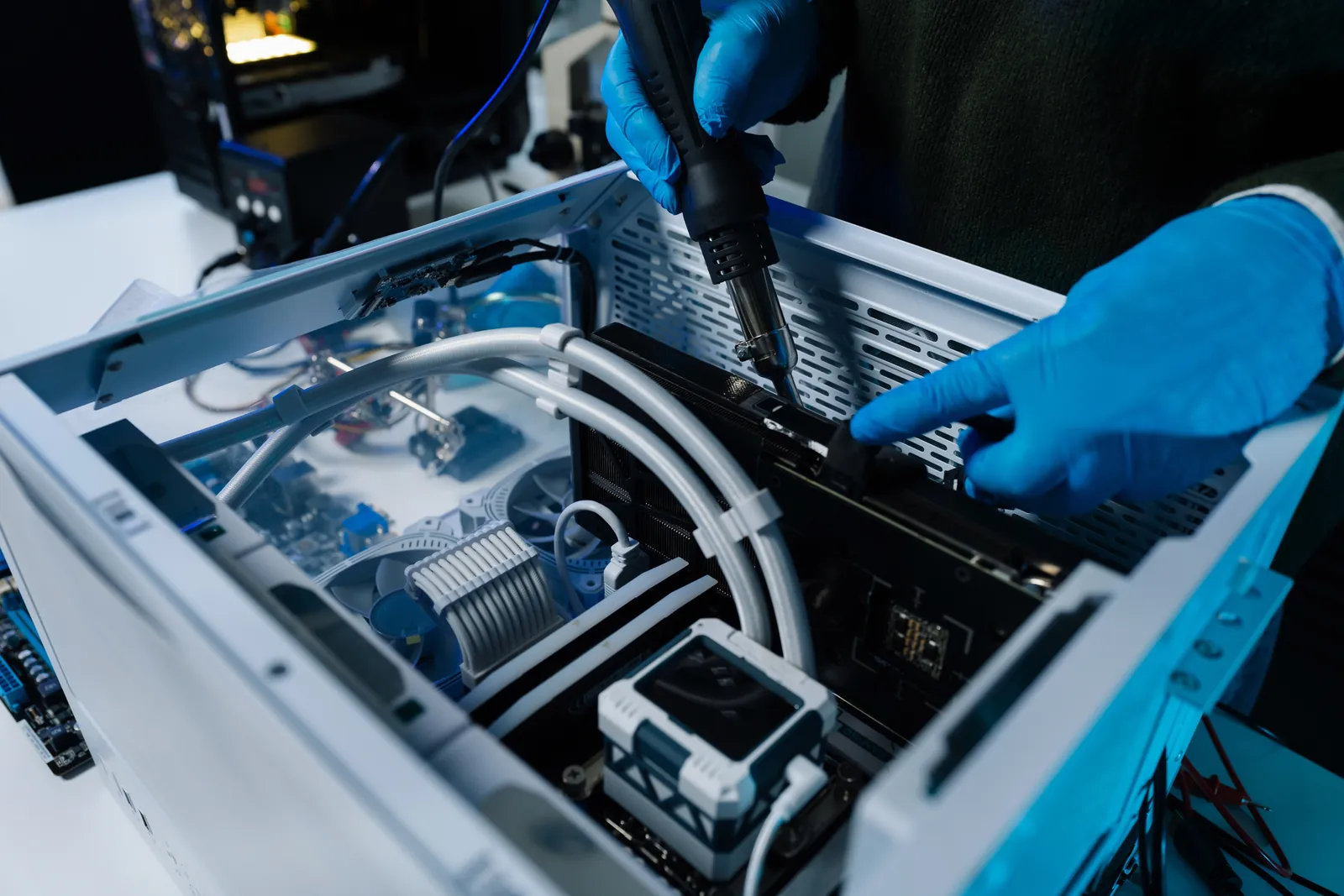
Back to base repairs and post-warranty support
Maintain supportability beyond OEM coverage with structured repair pathways and lifecycle sustainment.
Value Propositions
Why organisations choose Touchpoint for sustainment

Sovereign capability for high-trust environments
Touchpoint is an Australian-owned ICT partner supporting defence, national security and regulated industries where reliability and control are critical.

Operationally grounded sustainment design
We design support models based on how systems actually operate, not theoretical service level of default vendor structures.

Integrated support across engineering, logistics and repair
We coordinate the full sustainment ecosystem, reducing fragmentation across vendors, internal teams, and service providers.

Commercially balanced service models
We help customers align responsiveness, risk, and cost, avoiding both under-supported assets and unnecessary service overhead.

Accountability across the support lifecycle
From planning through to fault resolution and escalation, Touchpoint maintains visibility and coordination across the full sustainment process.
Capabilities
Key Sustainment Capabilities

Fault Diagnosis and Resolution
Onsite Field Engineering
Spare Parts and Logistics
Preventative Maintenance
System Recovery Support
Configuration and Software Support
OEM and Vendor Coordination
Repair Pathways
Post-Warranty Sustainment
Approach
Our Sustainment Approach
Effective sustainment depends on aligning three critical elements. When these are designed and delivered together, response becomes predictable and recovery is faster.
Diagnose the issue
Accurate triage and technical understanding ensure the right action is taken from the outset. This avoids unnecessary escalation and reduces time to resolution.
Position the right parts
Recovery depends on access to the correct components. Parts availability and logistics are aligned to system criticality and response requirements.
Apply the right level of support
From internal teams to field engineers and specialist escalation, support is matched to the complexity of the issue and the operating environment.
Accreditations
Our Credentials
Touchpoint’s credentials reflect a business built on quality, security and trusted delivery. Industry registrations and independent ratings reinforce our commitment to operating at the highest level across critical environments.


Partnered with industry leaders to sustain critical enterprise architecture.









Featured
Newsroom


Ready to sustain your IT environment?
Learn More
Frequently Asked Questions
What are sustainment services for ICT systems?
Sustainment services maintain operational capability over time through support, maintenance, logistics, and repair coordination.
Do all systems require the same sustainment model?
No. Sustainment should reflect system criticality, acceptable downtime, and internal capability.
How do spare parts factor into sustainment?
They are critical. Without parts availability, recovery timelines increase significantly.
Can sustainment support distributed environments?
Yes. Support can be coordinated across multiple sites, including regional and remote locations.
How is sustainment different from standard IT support?
Standard support is often reactive. Sustainment is structured to ensure faults can be resolved consistently, efficiently, and with minimal operational disruption.
Can Touchpoint support systems after warranty ends?
Yes. Sustainment models can extend beyond OEM support using repair coordination and third-party support pathways.
What happens if a system cannot be fixed onsite?
Touchpoint coordinates back-to-base repair or replacement pathways.
How do you balance service level and cost?
By aligning support to actual operational risk rather than applying uniform service levels.